
Showing posts with label NUI Galway. Show all posts
Showing posts with label NUI Galway. Show all posts
Tuesday, 28 February 2017

Thursday, 19 January 2017
New Irish Cardiac Device
Irish researchers have developed a soft robotic device that fits around a heart and helps it to beat. The invention raises the future possibility of a new form of treatment for patients suffering from heart failure.
The device takes the form of a sleeve that wraps around the outside of the heart and squeezes and twists it in synch with the natural heart beat.
The big advantage of the new device is that unlike other forms of treatment, it doesn't come in contact with blood, reducing the risk of clotting, stroke and the need for the patient to take blood thinning drugs.
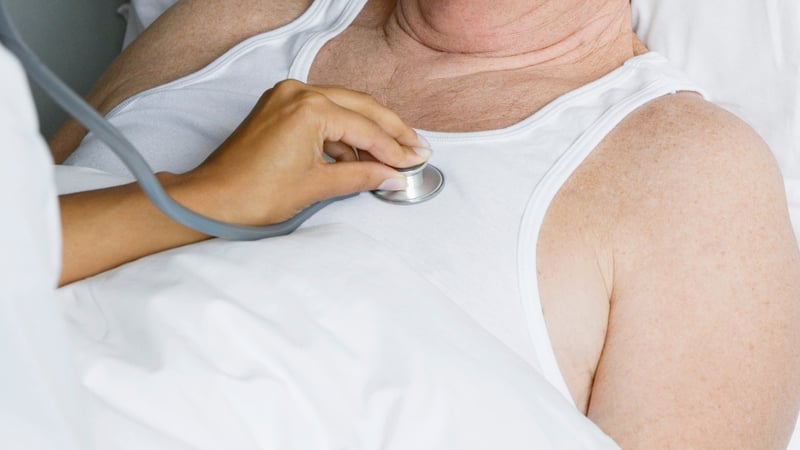
The invention raises the future possibility of a new form of treatment for patients suffering from heart failure
It is attached to the heart using a gel, sutures and a suction device. It is then connected to an external pump, and this powers the soft actuators.
The device was developed by NUI Galway and Harvard post-doctoral researcher, Dr Ellen Roche, along with Professor Conor Walsh, an Irish engineer based at the Wyss Institute for Biologically Inspired Engineering at the Boston based university.
The current treatments for heart failure are medical management, transplant or use of ventricular assist devices or VADs.
These pump blood from the ventricles of the heart to the aorta, but because they come in direct contact with the blood they can cause dangerous side effects, including stroke and clots.
"The novelty of this device is that it doesn't contact the blood," said Dr Roche.
"Additionally we can actuate different parts of it independently so we can tailor the movement of the device to the patient's needs."
"We can transfer both a compression motion and a twisting motion to the heart which mimics the way the heart beats itself."
Trinity College Dublin graduate, Professor Walsh established Harvard's bio-design laboratory where he and colleagues are developing a range of other soft robotics which have the potential to help people with disabilities.
According to the Irish Heart Foundation, 90,000 people in Ireland are suffering from heart failure with 10,000 new cases reported every year.
The condition also affects 41 million people worldwide.
The new device has been trialled in the lab and in animals, with excellent proof of concept results.
However, it is likely to be between three and five years before it has been refined, tested and approved for use in humans.
Dr Roche said she expects refinements will include trying to make it wireless.
It's hoped that the device could become a bridge to transplants or could be worn by a patient suffering from heart failure for the rest of their life.
"This research is really significant at the moment because more and more people are surviving heart attacks and ending up with heart failure," said Dr Roche.
"Soft robotic devices are ideally suited to interact with soft tissue and give assistance that can help augmentation of function and potentially even healing and recovery."
The research, a collaboration between Harvard's School of Engineering and Applied Sciences, the Wyss Institute and Boston Children's Hospital, is published in the journal - Science Translational Medicine.
The device takes the form of a sleeve that wraps around the outside of the heart and squeezes and twists it in synch with the natural heart beat.
The big advantage of the new device is that unlike other forms of treatment, it doesn't come in contact with blood, reducing the risk of clotting, stroke and the need for the patient to take blood thinning drugs.
It is attached to the heart using a gel, sutures and a suction device. It is then connected to an external pump, and this powers the soft actuators.
The device was developed by NUI Galway and Harvard post-doctoral researcher, Dr Ellen Roche, along with Professor Conor Walsh, an Irish engineer based at the Wyss Institute for Biologically Inspired Engineering at the Boston based university.
The current treatments for heart failure are medical management, transplant or use of ventricular assist devices or VADs.
These pump blood from the ventricles of the heart to the aorta, but because they come in direct contact with the blood they can cause dangerous side effects, including stroke and clots.
"The novelty of this device is that it doesn't contact the blood," said Dr Roche.
"Additionally we can actuate different parts of it independently so we can tailor the movement of the device to the patient's needs."
"We can transfer both a compression motion and a twisting motion to the heart which mimics the way the heart beats itself."
Trinity College Dublin graduate, Professor Walsh established Harvard's bio-design laboratory where he and colleagues are developing a range of other soft robotics which have the potential to help people with disabilities.
According to the Irish Heart Foundation, 90,000 people in Ireland are suffering from heart failure with 10,000 new cases reported every year.
The condition also affects 41 million people worldwide.
The new device has been trialled in the lab and in animals, with excellent proof of concept results.
However, it is likely to be between three and five years before it has been refined, tested and approved for use in humans.
Dr Roche said she expects refinements will include trying to make it wireless.
It's hoped that the device could become a bridge to transplants or could be worn by a patient suffering from heart failure for the rest of their life.
"This research is really significant at the moment because more and more people are surviving heart attacks and ending up with heart failure," said Dr Roche.
"Soft robotic devices are ideally suited to interact with soft tissue and give assistance that can help augmentation of function and potentially even healing and recovery."
The research, a collaboration between Harvard's School of Engineering and Applied Sciences, the Wyss Institute and Boston Children's Hospital, is published in the journal - Science Translational Medicine.
Thursday, 13 October 2016
Heart Attack Risk - Doubles!
The risk of heart attack beyond other risk factors more than doubles when someone is angry, emotionally upset or has engaged in heavy physical exertion, according to a new analysis by scientists at NUI Galway.
However, the risk more than triples when patients are angry or emotionally upset, and are engaged in physical exertion. The researchers say the triggers seem to independently increase a person's risk of heart attack beyond other risk factors, such as age, smoking, obesity, high blood pressure and other health problems linked to heart attack.
The data has emerged from the largest study of its kind ever conducted, which involved more than 12,000 heart attack patients from 52 countries around the world with an average age of 58.

Each of the participants completed a survey about the different triggers they had experienced in the same hour of the day of, and the day prior to, their heart attack.
Critically though the authors of the research, published in the journal Circulation, say the findings do not negate the benefits of regular physical activity in preventing heart disease and attack.
"Previous studies have explored these heart attack triggers; however, they had fewer participants or were completed in one country, and data was limited from many parts of the world," said Dr. Andrew Smyth, study lead author and a researcher at the HRB Clinical Research Facility at NUI Galway.
"This is the first study to represent so many regions of the world, including the majority of the world's major ethnic groups."
The authors say the results suggest that people at risk of heart attack should avoid extreme emotional situations, and instead should consider peer support, during difficult periods of their life.
However, the risk more than triples when patients are angry or emotionally upset, and are engaged in physical exertion. The researchers say the triggers seem to independently increase a person's risk of heart attack beyond other risk factors, such as age, smoking, obesity, high blood pressure and other health problems linked to heart attack.
The data has emerged from the largest study of its kind ever conducted, which involved more than 12,000 heart attack patients from 52 countries around the world with an average age of 58.
Each of the participants completed a survey about the different triggers they had experienced in the same hour of the day of, and the day prior to, their heart attack.
Critically though the authors of the research, published in the journal Circulation, say the findings do not negate the benefits of regular physical activity in preventing heart disease and attack.
"Previous studies have explored these heart attack triggers; however, they had fewer participants or were completed in one country, and data was limited from many parts of the world," said Dr. Andrew Smyth, study lead author and a researcher at the HRB Clinical Research Facility at NUI Galway.
"This is the first study to represent so many regions of the world, including the majority of the world's major ethnic groups."
The authors say the results suggest that people at risk of heart attack should avoid extreme emotional situations, and instead should consider peer support, during difficult periods of their life.
Monday, 26 September 2016
NUI Galway Centre Opens!
A €68m centre for medical device research will be officially launched at NUI Galway today.
The Centre for Research in Medical Devices will involve more than 250 researchers from a total of six academic institutions across the country, which is receiving support through Science Foundation Ireland.

The medtech industry in Ireland is booming, with more than 400 firms in operation, employing 29,000 people, and producing nearly €13 billion worth of exports a year.
Based at NUI Galway, Cúram will bring together areas like glycoscience, biomaterials science, regenerative medicine, tissue engineering, drug delivery and medical device design.
It will train graduates from basic science right through to clinical application.
It will develop medical devices that mimic the body's biology, targeting chronic diseases like heart disease, diabetes and Parkinson's.
Devices like electrodes that degrade inside the body and 3D printed tendons and muscles will also be designed.
The centre has secured €68m in funding, with €37m coming from SFI, €12.5 million from two dozen Irish and multinational industry partners and €19 million from the EU's Horizon 2020 research fund.
Cúram will be opened by Minister for Jobs, Enterprise and Innovation Mary Mitchell O'Connor, who has welcomed its establishment.
The Centre for Research in Medical Devices will involve more than 250 researchers from a total of six academic institutions across the country, which is receiving support through Science Foundation Ireland.
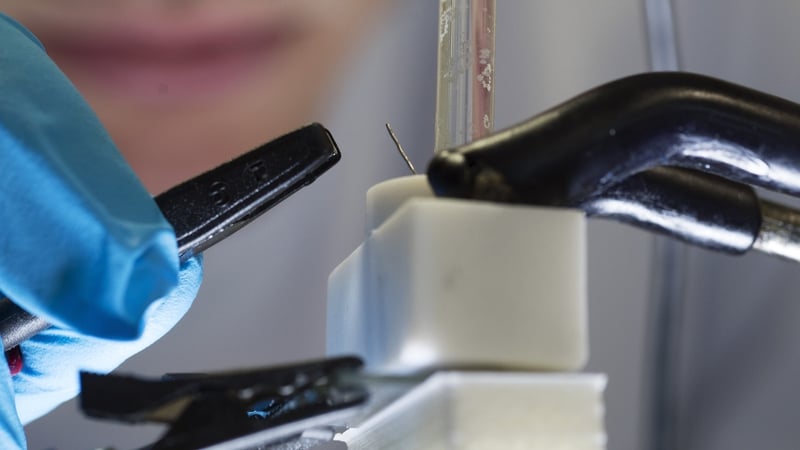
The medtech industry in Ireland is booming, with more than 400 firms in operation, employing 29,000 people, and producing nearly €13 billion worth of exports a year.
Based at NUI Galway, Cúram will bring together areas like glycoscience, biomaterials science, regenerative medicine, tissue engineering, drug delivery and medical device design.
It will train graduates from basic science right through to clinical application.
It will develop medical devices that mimic the body's biology, targeting chronic diseases like heart disease, diabetes and Parkinson's.
Devices like electrodes that degrade inside the body and 3D printed tendons and muscles will also be designed.
The centre has secured €68m in funding, with €37m coming from SFI, €12.5 million from two dozen Irish and multinational industry partners and €19 million from the EU's Horizon 2020 research fund.
Cúram will be opened by Minister for Jobs, Enterprise and Innovation Mary Mitchell O'Connor, who has welcomed its establishment.
Thursday, 22 September 2016
Spider Venom - Medicinal Attributes!
It may be the time of the year dreaded by arachnophobes, as large spiders amble into our homes in search of a mate, but research by scientists at NUI Galway suggests we should not be too quick to sweep our eight-legged friends back out the door, suck them up in the hoover or squash them.
The team at NUI Galway has discovered that the venom of some of the 400 species of spider found in Ireland could have useful medicinal properties.
The researchers at the School of Natural Sciences found that a variety of spider found in caves in County Mayo can be useful in killing bacteria like E Coli, for example.
Dr. Michael Dugon and his colleagues have also found that human cells and breast cancer cells react very differently when exposed to venom from the common false black widow spider.
"It doesn't have the same potency on cancer cells as it does on human cells," Dr. Dugon said. "So of course we want to know more about that and we want to see if we can use that potential to develop maybe a new cancer therapeutic."
The researchers at the venom lab are also exploring the potential uses of the venom from a whole range of other creatures, from scorpions to giant centipedes, from newts to jellyfish.

There are 400 species of spider in Ireland
They are also analysing the possible therapeutic properties of the glue in barnacles, sea sponges and the ink in octopuses.
"There are many other animals that can be used," said Dr. Anne-Marie Power from the School of Natural Sciences at the Ryan Institute in NUI Galway.
"New horizons are opening up. The deep sea is one area we are looking at the area of bioactivity and mapping the bioactivity of the deep."
In order to carry out their work, the scientists must carefully extract the tiny amounts of venom that the spiders and other creatures have.
They then go to the microscopy laboratory, where they add venom to blood to see what happens to the molecules.
The team at NUI Galway has discovered that the venom of some of the 400 species of spider found in Ireland could have useful medicinal properties.
The researchers at the School of Natural Sciences found that a variety of spider found in caves in County Mayo can be useful in killing bacteria like E Coli, for example.
Dr. Michael Dugon and his colleagues have also found that human cells and breast cancer cells react very differently when exposed to venom from the common false black widow spider.
"It doesn't have the same potency on cancer cells as it does on human cells," Dr. Dugon said. "So of course we want to know more about that and we want to see if we can use that potential to develop maybe a new cancer therapeutic."
The researchers at the venom lab are also exploring the potential uses of the venom from a whole range of other creatures, from scorpions to giant centipedes, from newts to jellyfish.

They are also analysing the possible therapeutic properties of the glue in barnacles, sea sponges and the ink in octopuses.
"There are many other animals that can be used," said Dr. Anne-Marie Power from the School of Natural Sciences at the Ryan Institute in NUI Galway.
"New horizons are opening up. The deep sea is one area we are looking at the area of bioactivity and mapping the bioactivity of the deep."
In order to carry out their work, the scientists must carefully extract the tiny amounts of venom that the spiders and other creatures have.
They then go to the microscopy laboratory, where they add venom to blood to see what happens to the molecules.
Wednesday, 21 September 2016
Gene Research - NUI Galway
New research by scientists in Galway has discovered that a gene known to have cancer-suppressing properties is far more potent than had previously been thought.
TP53 is a recognised tumour suppressor gene, as it prevents cancer cells from multiplying in the body by stopping the division of cells or triggering the destruction of them.
The team, led by Professor Noel Lowndes at the Centre for Chromosome Biology at the National University of Ireland Galway, has found TP53 directly regulates the repair of broken DNA.
This is important, because broken DNA can result in cell death or loss of genetic information in those cells that survive the break.

NUI Galway scientists discovered that the gene influences the regulation of the two pathways that can lead to the repair of broken DNA
In the research, published in the journal Open Biology, the scientists discovered that the gene influences the regulation of the two pathways that can lead to the repair of the DNA.
"Thus, loss of TP53 during cancer development will drive the evolution of cancer cells towards ever more aggressive cancer types," said Professor Lowndes.
The team hopes that the information they have discovered could in the future be used in the development of new methods of diagnosing and treating a range of different cancers.
TP53 is a recognised tumour suppressor gene, as it prevents cancer cells from multiplying in the body by stopping the division of cells or triggering the destruction of them.
The team, led by Professor Noel Lowndes at the Centre for Chromosome Biology at the National University of Ireland Galway, has found TP53 directly regulates the repair of broken DNA.
This is important, because broken DNA can result in cell death or loss of genetic information in those cells that survive the break.
In the research, published in the journal Open Biology, the scientists discovered that the gene influences the regulation of the two pathways that can lead to the repair of the DNA.
"Thus, loss of TP53 during cancer development will drive the evolution of cancer cells towards ever more aggressive cancer types," said Professor Lowndes.
The team hopes that the information they have discovered could in the future be used in the development of new methods of diagnosing and treating a range of different cancers.
Friday, 29 April 2016
Breast Cancer Treatment
Researchers from NUI Galway have made a breakthrough in their studies into breast cancer treatment, which could affect a significant segment of sufferers of the disease.
Led by Doctors Sanjeev and Ananya Gupta in NUI Galway, the paper published in Oncogene hones in on a single protein that plays a pivotal role for certain sufferers of breast cancer, those who are ‘oestrogen receptor positive’.
XBP1 is the protein in question, with Sanjeev and his team establishing that it increases the production of NCOA3, which helps the cancer cells avoid anti-oestrogen treatment. Using this information, the suggestion is treatment that uses an XBP1 inhibitor could help oestrogen treatment get the job done.

Oestrogen (and progesterone) are in abundance in women’s bodies, potentially serving as fuel for cancerous cells. Hormone therapy, also called endocrine therapy, adds, blocks, or removes those chemicals to treat the disease.
The NUI Galway team claims one-third of breast cancer patients treated with hormonal therapy suffer a relapse within 15 years, which has proved difficult to understand for scientists. Cancer cells’ reliance on XBP1 as a shield could, therefore, be used against them by allowing tailored inhibitors to pull down the cancer’s defences.
Ananya Gupta said: “The next step is to identify a suitable therapeutic target in the XBP1-NCOA3 pathway. XBP1 is a transcription factor, and transcription factors have been very difficult to target with small molecules. We look forward to developing new ways to target this molecule in breast cancer.”
The project was supported by Breast Cancer Now, with the organisation’s Dr. Richard Berks hopeful of potential improvements to anti-hormone treatments.
“We look forward to further research to find out whether blocking this protein could reduce the risk of a patient’s breast cancer spreading or returning, ultimately helping to stop women dying from the disease. It’s crucial that we continue to find ways to make breast cancer therapies even more effective, and match individual patients with the treatments most likely to work for them.”
Led by Doctors Sanjeev and Ananya Gupta in NUI Galway, the paper published in Oncogene hones in on a single protein that plays a pivotal role for certain sufferers of breast cancer, those who are ‘oestrogen receptor positive’.
XBP1 is the protein in question, with Sanjeev and his team establishing that it increases the production of NCOA3, which helps the cancer cells avoid anti-oestrogen treatment. Using this information, the suggestion is treatment that uses an XBP1 inhibitor could help oestrogen treatment get the job done.

Oestrogen (and progesterone) are in abundance in women’s bodies, potentially serving as fuel for cancerous cells. Hormone therapy, also called endocrine therapy, adds, blocks, or removes those chemicals to treat the disease.
The NUI Galway team claims one-third of breast cancer patients treated with hormonal therapy suffer a relapse within 15 years, which has proved difficult to understand for scientists. Cancer cells’ reliance on XBP1 as a shield could, therefore, be used against them by allowing tailored inhibitors to pull down the cancer’s defences.
Ananya Gupta said: “The next step is to identify a suitable therapeutic target in the XBP1-NCOA3 pathway. XBP1 is a transcription factor, and transcription factors have been very difficult to target with small molecules. We look forward to developing new ways to target this molecule in breast cancer.”
The project was supported by Breast Cancer Now, with the organisation’s Dr. Richard Berks hopeful of potential improvements to anti-hormone treatments.
“We look forward to further research to find out whether blocking this protein could reduce the risk of a patient’s breast cancer spreading or returning, ultimately helping to stop women dying from the disease. It’s crucial that we continue to find ways to make breast cancer therapies even more effective, and match individual patients with the treatments most likely to work for them.”
Wednesday, 16 March 2016
Nui Galway Carry Out Irish Study As Part Of New Pan-European WHO Survey

- Irish children report a lack of family and peer support
- Cyberbullying increasing with age in Ireland
- Drinking behaviours and tobacco use improving among Ireland’s young people
A new pan-European World Health Organisation (WHO) survey
of schoolchildren reveals that the proportion of 15-year-olds who first smoked
at the age of 13 has fallen significantly since 2010. The main findings of the
‘International Health Behaviour in School-aged Children’ (HBSC) 2014 study was
launched today in Brussels, with The Health Promotion Research Centre at NUI
Galway carrying out the Irish survey.
The WHO report entitled Growing up unequal:gender and socioeconomic differences in young people’s health and well-being covers 42 countries and regions across Europe and North America who participated in the study, collaborating with the WHO Regional Office for Europe. Findings in the report are based on almost 220,000 school students. Cross national comparisons are made for young people aged 11, 13 and 15 years.
The WHO report entitled Growing up unequal:gender and socioeconomic differences in young people’s health and well-being covers 42 countries and regions across Europe and North America who participated in the study, collaborating with the WHO Regional Office for Europe. Findings in the report are based on almost 220,000 school students. Cross national comparisons are made for young people aged 11, 13 and 15 years.
The Health Behaviour in School-aged Children (HBSC)
survey, which is updated every four years, reveals that the proportion of
15-year-old Europeans who reported having a first cigarette at the age of 13 or
younger fell from 24% to 17% between 2009/2010 when the last survey was
conducted and 2013/2014. The reduction reported among girls (22% to 13%) was
larger than that among boys (26% to 22%), and the data shows no consistent
association with family affluence, suggesting that smoking behaviour is only
partially determined by socioeconomic factors.
This positive news on smoking is tempered by other aspects of the report, which goes on to warn that while 80% of the schoolchildren report generally high rates of life satisfaction, differences between genders and socioeconomic status are adversely affecting many young people’s health, well-being and lifestyle choices at a critical stage in their development.
This positive news on smoking is tempered by other aspects of the report, which goes on to warn that while 80% of the schoolchildren report generally high rates of life satisfaction, differences between genders and socioeconomic status are adversely affecting many young people’s health, well-being and lifestyle choices at a critical stage in their development.
The Irish Study
The Irish survey was carried out by the Health Promotion Research Centre at NUIGalway and it was the fifth round of data collection in Ireland. The overall study aims to gain new insight into, and increase our understanding of young people’s health and wellbeing, health behaviours and their social context.
The Irish survey was carried out by the Health Promotion Research Centre at NUIGalway and it was the fifth round of data collection in Ireland. The overall study aims to gain new insight into, and increase our understanding of young people’s health and wellbeing, health behaviours and their social context.
To access a full copy of Growing up unequal:
gender and socioeconomic differences in young people’s health and well-being, visit: http://www.euro.who.int/en/hbsc-report-2016
Tuesday, 2 February 2016
New Study On Antibiotic Prescribing and Consumption for Urinary Tract Infections
NUI Galway researchers study the culture of antibiotic prescribing and consumption for Urinary Tract Infections and find the need for more dialogue among GPs and Patients


Researchers from NUI Galway’s School of Medicine have carried out a study to explore the culture of antibiotic prescribing and consumption in the community for Urinary Tract Infections (UTIs), from the perspective of the General Practitioners (GPs) and community members. Their results were published in the medical journal BMJ Open.
This research provides insight into the decision-making processes contributing to the continued prescription and consumption of antibiotics for Urinary Tract Infections. An antibiotic is not a satisfactory outcome from every UTI GP consultation.
As a result of this qualitative research, behavioural interventions should focus on:
- Improving the quality of antibiotic prescribing for UTI by encouraging GPs to reflect on their current antibiotic-prescribing practices, including when they prescribe and what antibiotics they choose.
- Supporting a dialogue between the GP and the patient within the consultation about the positive and negative aspects of antibiotic treatment for UTI particularly when symptoms are non-specific.
- Building changes into routine care without elongating the consultation.
As part of the study the NUI Galway researchers carried out in depth interviews with 15 GPs practicing in rural and urban locations in Ireland, and six focus groups were held with community members who had direct or indirect experiences with urinary tract infection.
The study found that decisions made to prescribe or consume an antibiotic for a UTI is a set of complex processes. It includes recognising that you are unwell (need recognition), seeking advice from various sources like the web and family members prior to visiting the GP (information search), and deciding whether to go to the GP (evaluation process). All of these processes are governed by the relationship and interactions between the GP and the patient.
To view the full BMJ Open paper visit:http://bmjopen.bmj.com/content/6/1/e008894.full.pdf+html
Thursday, 10 December 2015
NUI Study to inform future Mental Health Practice

The School of Psychology at NUI Galway is conducting a
research study on people who experience feelings of being disconnected or
detached from themselves and their surroundings. Adults aged 18-25 years old are invited to
participate in the study, with findings hoping to better inform professionals
working within the mental health service.
Recent
research in mental health has identified that it can be common for people to
experience unwanted thoughts and feelings of being more or less whole, or that
the world is less real to them than at other times. This has been found to be a
common phenomenon among the general population, but for some people it may
cause them some distress.
These
experiences can be influenced by stress and fatigue, with most people not
admitting to experiencing feelings of disconnect and detachment, for fear of
being perceived as different or strange. International studies have found that
people are more willing to report these experiences in surveys rather than
disclose it to a doctor.
The study is being carried out by Aoife Ó Laoide, a
Psychologist in Clinical Training at the School of Psychology in NUI Galway,
under the academic supervision of Dr Jonathan Egan, Deputy Director of the
University’s Doctorate Programme in Psychological Science. Ms Ó Laoide is
interested in examining this phenomenon and understanding how psychological
factors, such as childhood experiences, current stress, anxiety, and mood might
interact with these common experiences of feeling disconnected from yourself or
your surroundings.
Miss Ó Laoide
said: “We are seeking people for the study who have ever felt ‘unreal’ or in a
‘dream-like’ state. People who experience a feeling of detachment or
disconnection from themselves and their surroundings. We want to investigate this relatively common
phenomenon that no one wants to admit to, in order to explore how it may impact
on an individual and their overall psychological well-being, with the hope of
informing future clinical practice.”
For those aged
18-25 years old who wish to participate in the study please visit the online
survey link at: https://www.surveymonkey.com/r/feelingunreal
For further information contact Aoife Ó Laoide at a.olaoide1@nuigalway.
For further information contact Aoife Ó Laoide at a.olaoide1@nuigalway.
Wednesday, 2 December 2015
NUIG Study on effects of music on ageing brain - Participants required

NUI Galway study is seeking participants aged 60-85 years to
join an experimental study on the effects of listening to music
An ongoing ageing research project at NUI Galway is looking for additional participants to take part in the study. This study is part of a larger ongoing project at the University, which commenced in 2013, exploring the functions and effects of listening to music on the ageing brain with both younger and older adults.
The project is
now seeking participants aged 60-85 years to join an experimental study on the
effects of listening to music. Participants will spend two hours in a lab
carrying out a variety of verbal and numerical tasks while listening to music
and having their brain waves measured by electroencephalography (EEG).
Jenny Groarke, a musician and PhD student in the School
of Psychology at NUI Galway, said: “We will examine whether listening to music
improves emotional, social or cognitive functioning, which we hope can be used
to benefit older adults in the future.”
An important
factor in the current research is the role of choice in music listening. Almost
all previous studies on the effects of music have been carried out with
adolescents or young adults, and most researchers have chosen classical music
for participants to listen to. The researchers at NUI Galway have concluded the
first part of this study with 18-30 year-olds and noted some interesting age
differences in music choices.
Participants
are asked to choose music for a couple of different scenarios, while
socialising or working for example. Whatever the situation, it seems Ed Sheeran
is a popular choice, with 25% of the young adults in the study choosing at
least one of his hits. While younger people are tending to listen to their
favourite music regardless of the situation, older people are demonstrating
greater variety and sophistication when choosing music for different contexts.
The study will run until Christmas and those interested
in participating must complete the questionnaire of adaptive music listening
functions, and sign up for the experiment at www.sgiz.mobi/s3/AFML
Alternatively,
participants can request a paper version of the questionnaire by contacting
Jenny Groarke on jenny.groarke@gmail.com and for more information on participating in
the research visit www.adaptivefunctionsofmusic.com
Wednesday, 25 November 2015
Free screening of 'Milk - Born into this World' at NUI Galway

NUI Galway’s School of Nursing and Midwifery in
partnership with Cuidiú, the Irish Childbirth Trust, are hosting a free public
screening of “MILK – Born Into This World” on Thursday, 3 December, at 7pm in Áras Moyola, NUI Galway.
The director
of the film, Noemí Weis will be available via Skype from Canada for a Q&A
session after the screening.
Through an
intimate and artistic lens, MILK brings a universal perspective on the
politics, commercialisation and controversies surrounding birth and infant
feeding over the canvas of stunningly beautiful visuals and poignant voices
from around the globe. Inspiring, informative, provocative and sensitive, MILK
celebrates bringing a new life into this World with a strong call to action and
reflection. See the film’s trailer at www.milkhood.com.
Speaking ahead
of the event, Tara Durkin of Cuidiú Galway said: “This special public screening
of Milk, ahead of its general release in Europe, is an exciting chance for
Galway’s mothers, fathers, healthcare professionals, students, friends, indeed
anyone with an interest in how we birth and feed our babies, to get together to
see a powerful new documentary – and discuss it with the director!”
This is the
fourth event of the School of Nursing and Midwifery Public Lecture Series, an
innovative community outreach initiative which has previously focused on
Suicide Prevention, Ebola Awareness and Elder Abuse. The series aims to share
knowledge and expertise on health matters with our local communities.
The event is
open to the public and free of charge but tickets must be pre-booked at www.eventbrite.ie/e/milk-born-into-this-world-tickets-19448984436.
If there are
any future topics you would like covered in NUI Galway’s School of Nursing and
Midwifery Public Lecture Series, please contact john.quinlivan@nuigalway.ie or mary.e.gannon@nuigalway.ie.
Wednesday, 18 November 2015
Supporting the Improvement and Management of Prescribing for UTIs (SIMPle)

An initiative to improve
the prescribing of antibiotics for urinary tract infections resulted in
better-quality prescribing of first line antibiotics, although the number of
prescriptions also increased, according to new research carried out by NUI
Galway and Oxford University. The study was published 16 November 2015 in the
Canadian Medical Association Journal (CMAJ).
The study involved 71 physicians, 30 general practitioners and 3,500 patients in Ireland (Galway city and county, and Roscommon). Overall, a 20% absolute increase in prescribing of antibiotics according to guidelines was observed in the intervention groups. However, general practitioners also increased overall prescribing of antibiotics for urinary tract infection.
DrAkke Vellinga, Epidemiologist in the College of Medicine, Nursing and Health
Science at NUI Galway, and co-author of the study, said: “The increase in
overall prescribing of antibiotics for urinary tract infection was unexpected,
and it was not possible to conclude whether this was clinically appropriate or
an unwanted consequence. The SIMPle study improved the quality of antibiotic
prescribing through the use of audit reports and reminders. In a next step, the
quantity of antibiotic prescribing for urinary tract infection will be
addressed.”
The World Health Organisation (WHO) has deemed antibiotic resistance animmediate threat to world health. Overuse and overprescribing of antibiotics are major contributors to antibiotic-resistant diseases. Urinary tract infections are one of the most common illnesses for which antibiotics are prescribed. Efforts to curb overuse must involve patients, physicians and other health care workers, pharmaceutical companies and policy makers.
The World Health Organisation (WHO) has deemed antibiotic resistance animmediate threat to world health. Overuse and overprescribing of antibiotics are major contributors to antibiotic-resistant diseases. Urinary tract infections are one of the most common illnesses for which antibiotics are prescribed. Efforts to curb overuse must involve patients, physicians and other health care workers, pharmaceutical companies and policy makers.
To
view the SIMPle research video visit:https://www.youtube.com/watch?v=buyeYTt1uQs
For the authors Commentary visit:http://www.cmaj.ca/content/early/2015/11/16/cmaj.151103
Friday, 6 November 2015
Chronic pain sufferers invited to join free online treatment programme

A recent online treatment programme, set up by expert
psychologists and physiotherapists, aimed at helping those who suffer from
chronic pain, has been extended due to the number of inquiries received in
recent weeks.
The Centre for Pain Research at NUI Galway, with the support of the Health Research Board, is
currently recruiting people with chronic pain (pain which has lasted for three
months or more). The Acceptance and Commitment Therapy (ACT) trial will provide
eight online sessions to people in the comfort of their own home. At the
moment, such supports are mainly available through specialised hospital-based
pain management teams.
Chronic pain affects up to 35% of the Irish population
and is increasingly recognised as a disease in its own right. Chronic pain is
sometimes associated with psychological effects, which may include anxiety and
changes in mood, as well as forgetfulness, and difficulties in focusing attention,
planning tasks and making decisions. The ACT trial is based on emerging
clinical science that demonstrates the usefulness of managing chronic pain
through mindfulness and psychological wellbeing.
The study is
open to people all over Ireland and will take place over the coming months. GPs
and physiotherapists around the country are being encouraged to refer suitable
people with pain to the study.
To find out if you are eligible, visit http://centreforpainresearch.com/actstudy.html and complete the online survey.
For further
information contact Dr Christopher Dwyer at the Centre for Pain Research, NUI
Galway or emailpainresearch@nuigalway.ie,
or see the website http://www.nuigalway.ie/centre-for-pain-research/.
Alternatively, phone 091 495391. GP’s or physiotherapists who are interested in
referring suitable patients to the trial can also use these contact details.
Wednesday, 4 November 2015
Masters Degree in Medical Physics at NUI Galway receives Accreditaion

Dr. Jim Browne, President of NUI Galway and Prof. Wil van der Putten, Medical Physics at NUI, Galway and Galway University Hospitals
The MSc Degree in Medical Physics at NUI Galway, in conjunction with the Department of Medical Physics and Bioengineering (MPBE) at Galway University Hospitals, was recently awarded accreditation from the North American Commission on Accreditation of Medical Physics Education Programs (CAMPEP). This is the first medical physics programme in Europe to receive this accreditation and only the second outside North America.
The first year students enrolled on the MSc in Medical Physics in 2002 and over 130 students have graduated since. Of these graduates, over 70% are currently employed as medical physicists in the healthcare environment in Ireland, UK and beyond.
Commenting on this accreditation, Wil van der Putten, Adjunct Professor of Medical Physics, NUI Galway and Head of MPBE at Galway University Hospital, said: “Accreditation by CAMPEP is an important validation of the quality of this course. The Galway MSc is a unique collaboration between University and Hospital staff. The ability of the students to learn and conduct projects in the clinical environment accounts for the success of our graduates in finding employment. It is a tribute to both the staff in the Department of Medical Physics and Bioengineering and University staff in the Schools of Anatomy, Physiology, Medicine, Engineering and Physics. I would also like to pay tribute to colleagues in other hospitals who have accommodated our students for their dissertation work.”
Thursday, 29 October 2015
NUI Galway to host 2nd Annual Frontiers in Healthcare Conference

NUI Galway hosted the
first Frontiers in Healthcare Conference in 2014, which was attended by over
140 delegates. The second conference in this series, which is jointly organised by the Health Economics and Policy Analysis research group at NUI Galway and NovartisIreland, will be held at NUI Galway on Tuesday, 3 November. The theme of this
year’s conference is Adherence.
The issue of adherence is a critical one in a large number of healthcare situations. A relatively simple example is how to ensure that patients adhere to the medication that is prescribed to them. Another example is how medical professionals can be persuaded to adhere to care guidelines.
The issue of adherence is a critical one in a large number of healthcare situations. A relatively simple example is how to ensure that patients adhere to the medication that is prescribed to them. Another example is how medical professionals can be persuaded to adhere to care guidelines.
On
a broader public health level, a critical policy issue is how people in general
can adhere to good practice as regards diet, exercise, and the consumption of
tobacco and alcohol.
These
topics will be addressed by experts from Ireland, the UK and the US from a
variety of disciplines including economics, psychology, medicine, and
pharmaceutical science. And will feature a variety of perspectives including
academic, health service providers, and private industry. Particular attention
will be given to whether new technologies can be used to improve adherence and
the ethical considerations that arise from the use of these technologies.
Wednesday, 30 September 2015
Irish Researchers leading the way for cardiac defect repairs

NUI Galway researcher is author of paper contributing to the design of an innovative device to close heart defects without placing patients on bypass
Researchers, including four Irish researchers, while based at the Wyss Institute, Brigham and Women’s Hospital, and Boston Children’s Hospital have jointly designed a fundamentally different way to implant an innovative patch to close a heart tissue defect that eradicates the need to place a patient on bypass. Their work was published recently in Science Translational Medicine, and features as the cover article.
Ellen Roche, PhD and a graduate from the Biomedical Engineering Program at NUI Galway was the first author of the paper. Roche completed the work published in Science Translational Medicineduring her PhD at Harvard University and is a current research fellow at NUI Galway under Professor Peter McHugh, working on a project in Biomedical Engineering in the area of novel cardiac drug delivery device development.
View more here
View more here
Tuesday, 28 April 2015
€30 Million SFI Investment in Scientific Research

Dr Laoise McNamara's project on osteoporosis was one of three NUI
Galway projects funded.
Minister for Skills, Research and Innovation, Damien English TD today announced over €30 million of research funding for 23 major research projects. The Programme will provide funding over a four to five year period, for 23 research projects involving over 100 researchers. Funding for each project will range from €500,000 to €2.3 million.
Three of the projects are led by NUI Galway researchers, and in
partnership with University of Limerick, are significantly involved in a fourth
project.
Two of the projects are listed below:
Two of the projects are listed below:
Dr Laoise McNamara, NUI Galway - This research project will advance
understanding of mechanobiology to develop treatment approaches for bone
pathologies. Tissues of the human body can adapt in response to mechanical
forces by a cellular process known as mechanobiology. Although
mechanobiological processes are fundamental to normal bone physiology and may
play an important role in the development of osteoporosis, the role of
mechanobiology in bone development and changes occurring during ageing are not
yet fully understood. Moreover mechanobiological responses have not been
targeted as treatments for osteoporosis, nor have they been sufficiently
exploited to develop novel regenerative tissue strategies.
Dr Alan Ryder, NUI Galway - Many drugs for human health are complex
biological molecules like proteins which are made in living cells on an
industrial scale. Both the cell food (media) and the protein products have to
be carefully analysed to make sure that they are good and safe. Both media and
proteins are very complex mixtures that are difficult to analyse. Here we will
build a faster, cheaper, and non-contact way of testing using light to generate
chemical information from these mixtures. This information will then be
analysed using advanced statistical methods (chemometrics) and the results used
to improve manufacturing, and reduce drug costs.
Friday, 10 April 2015
‘Off switch’ identified to cut spread of bowel cancer

Dr Aideen Ryan from NUI Galway found that switching off a specific protein in bowel cancer cells can stimulate an anti-tumour immune response.
The research that opens new avenues for the development of novel treatment approaches was funded by the Irish Cancer Society.
Bowel cancer is a significant health concern in Ireland with 2,400 new cases diagnosed and almost 1,000 deaths from the disease every year.
Up to now, therapeutic developments to stop its spread to other parts of the body have had very little success.
Dr Ryan found the activity of a key protein known as NF-kappaB, with the help of a type of immune cell, called tumour-associated macrophages (TAMs), promotes the spread of cancer cells from the bowel to the abdominal cavity.
TAMs are present within or close to tumour tissue and can act in tumour-promoting or a tumour-killing manner, depending on their surrounding environment.
Dr Ryan and colleagues in NUI Galway found TAMs can be switched from being tumour-promoting to being tumour-killing by turning off the NF-kappaB protein in bowel cancer cells, thereby causing a significant reduction in bowel cancer spread to the abdominal cavity.
Dr Ryan said the findings had, for the first time, uncovered the effect of targeting the NF-kappaB protein in bowel cancer cells.
“We are continuing this important research in order to develop a new treatment approach for bowel cancer which could potentially result in better treatments for patients with this disease,” she said.
Wednesday, 8 April 2015

Subscribe to:
Posts (Atom)